Siding Contractor Hallandale Beach, FLTrusted by Homeowners since 2015

PrimeCrest Exteriors is a siding contractor in Hallandale Beach, FL, working on homes from Golden Isles to the streets around District 8. Fiber cement, vinyl and full siding replacement, open every day from 7am to 10pm and on call 24/7 for emergencies.

5/5 — Based on 485 Customer Reviews

  • Since 2015
  • Fiber cement
  • Vinyl
  • Replacement
  • 7am – 10pm daily
  • On call 24/7

Hallandale Beach siding, built for the weather

Many houses in Hallandale Beach are concrete block finished in stucco, so siding work in this part of South Florida tends to mean a frame addition, a gable end, an upper storey, a converted garage or an older wood-sided home that needs a new skin.

Each of those walls has its own way of letting water in and keeping it out. The panels you see are only the outer layer. Behind them sit the sheathing, the water-resistive barrier, the flashing around every window and door, and the fasteners that hold everything against hurricane winds. A siding job succeeds or fails on that hidden layer, and it is where we spend most of our attention.

We install fiber cement and vinyl, replace siding that has reached the end of its life and repair what we find underneath. If a wall is better left as stucco, or patched instead of replaced, we will tell you that too.

Before any of that, we want to understand the house. When was the frame part added, what is on it now, where does water show up after a storm, and what does the rest of the street look like? Those answers shape the material we suggest and how the new wall ties into the old one.

Our siding services

Siding Installation

New siding on frame additions, gable ends, second storeys, converted garages and accessory buildings. The house wrap, flashing, starter strip and trim behind the panels decide how well the wall sheds rain, so they get as much care as the siding itself.

More about siding installation →

Siding Replacement

When boards are soft, panels keep blowing loose or termites have moved in, patching stops making sense. Replacement means tear-off, a look at the sheathing and framing underneath, repairs where needed, then a new exterior.

More about siding replacement →

Choosing a material

Fiber cement or vinyl?

Most homeowners we talk to are choosing between these two. Neither is right for every house. Fiber cement suits owners who want a heavy, solid-looking exterior that shrugs off heat, termites and fire and are happy to pay more for it. Vinyl suits a tighter budget and owners who never want to paint.

On the coast, the bigger question is often the product rating and the installation, not the material. A well-installed vinyl wall will outlast a poorly installed fiber cement one. See fiber cement siding installation and vinyl siding installation for the details of each.

How the two compare
Fiber cementVinyl
Upfront costHigher. Heavier boards, more labour to cut and fasten, and paint or a factory finish.Lower. Light panels that go up quickly.
Heat and sunStays stable in heat. Factory-finished boards hold colour well, and painted boards can be repainted.Expands and contracts with temperature. Darker colours and reflected window glare can distort panels.
WindRated by fastening schedule. Installed per the manufacturer and code, it holds well in high-wind areas.Depends on the product. Look for a panel rated for the local design wind speed and an approved installation.
Moisture and termitesDoes not rot and is not food for termites.Does not rot, but water that gets behind it can damage the wall underneath.
UpkeepRepainting every several years if field-painted. Occasional washing.No painting. Occasional washing.
FireNon-combustible.Melts and burns when exposed to flame.

Local conditions

What South Florida weather does to siding

Siding that would last thirty years in a mild climate can struggle here. Wind, salt, heat and rain all work on it at once, and planning for them is the first thing a Hallandale Beach siding contractor has to get right.

Hurricane winds

Broward and Miami-Dade sit in the Florida Building Code's high-velocity hurricane zone. Siding there has to be an approved product, fastened to the schedule its approval calls for. Short-cutting nails or spacing is how panels end up in the yard after a storm.

Salt air

Close to the Intracoastal and the ocean, salt settles on everything. Ordinary steel fasteners and flashing corrode and stain. Stainless or properly coated fasteners and trim that can handle salt last far longer.

Rain and humidity

Summer storms drive rain sideways, and the air stays damp. A continuous water-resistive barrier, flashed windows and doors and a path for water to drain out matter more here than almost anywhere.

Strong sun

Year-round UV breaks down cheap finishes and makes some vinyl brittle and chalky. Colour and material choice should take sun exposure into account, especially on south and west walls.

Termites

Wood siding and trim are an open invitation. Swapping damaged wood for fiber cement or vinyl removes the food source on that wall.

Mildew

Shaded walls and humid nights grow mildew quickly. Surface growth washes off. Growth that returns in the same place can point to moisture trapped behind the siding.

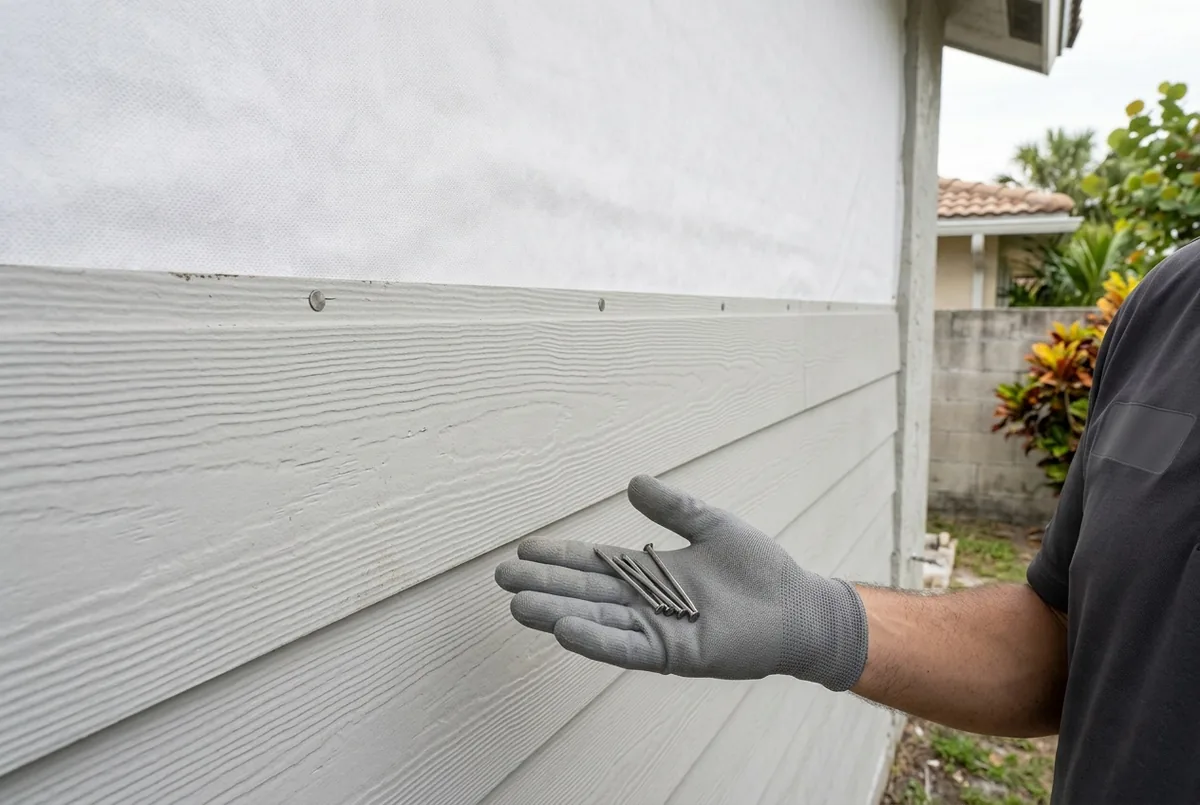
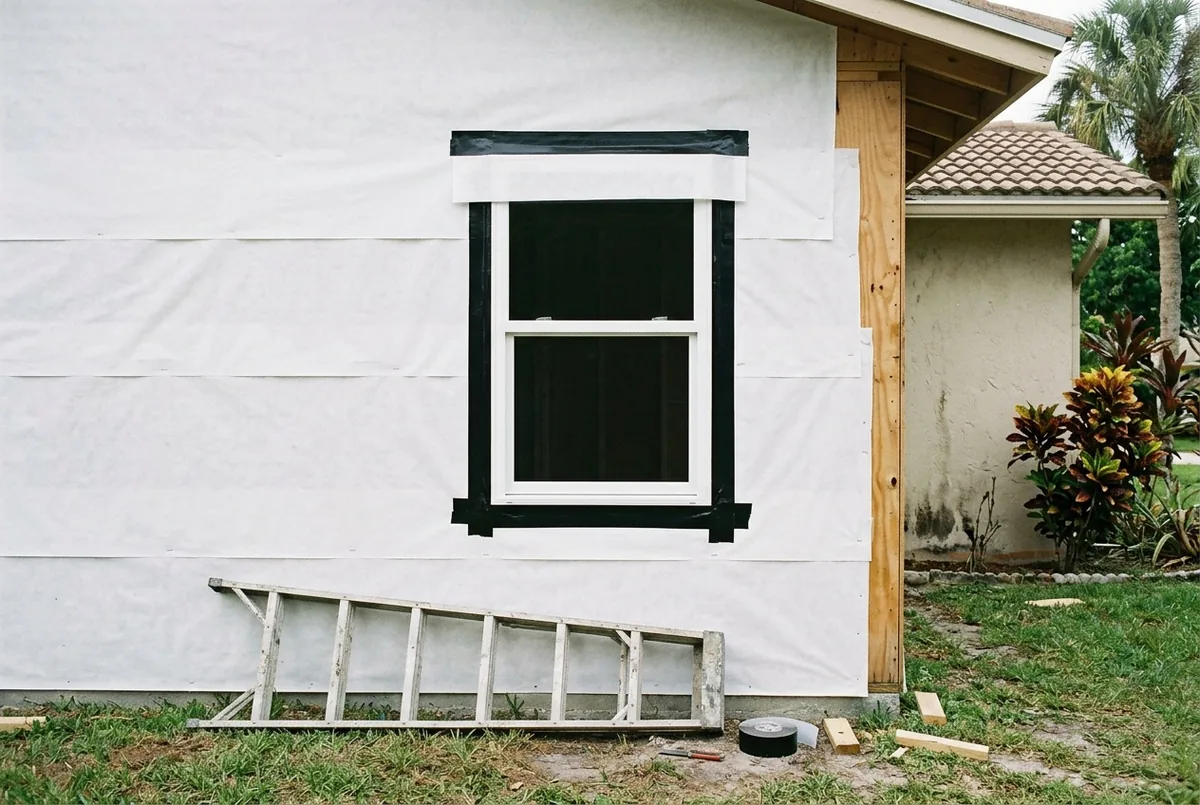
House wrap and window flashing tape around a window opening on a sheathed frame wall.Short ring-shank stainless siding nails in a gloved palm beside blind-nailed fiber cement lap siding.

Budgeting

What moves the price of a siding job

Every siding estimate comes from the same handful of things. Knowing them ahead of time makes it easier to compare quotes and to decide where to spend.

  • Wall area and height. Square footage drives material and labour. Upper storeys and tall gables add scaffolding or lift time and slow the work down.
  • Material and profile. Fiber cement costs more than vinyl to buy and to install. Shingle-style and panel profiles take longer than standard lap.
  • Tear-off. Removing and disposing of old siding is labour and dumpster cost that a new addition does not have.
  • What is behind the old siding. Rotted sheathing, termite-damaged framing or missing house wrap has to be fixed before new siding goes on.
  • Trim, soffit and fascia. Corners, window and door casings and roof-edge trim are usually replaced with the siding so they match and seal properly.
  • Permits and product approvals. Permit fees and approved, wind-rated products are part of doing the job legally in Broward and Miami-Dade.

The siding replacement and installation pages cover typical price ranges for each type of job.

Is it time?

Signs your siding needs work

Loose or missing panels after a storm

Wind gets under one lifted piece and peels the next. Small sections are often repairable if caught early.

Soft, swollen or split boards

Usually water getting behind the siding. The sheathing underneath needs checking before anything is covered back up.

Mildew that keeps coming back

Surface growth washes off. Growth that returns in the same spot can mean trapped moisture.

Faded, chalky or cracked panels

Years of strong sun break down finishes and older vinyl. It is often the first sign a wall is near the end of its life.

Gaps at windows, doors and trim

Open joints let rain in during a storm. Flashing and sealant are part of every siding job.

Termite damage in wood siding

Hollow, crumbling boards. Replacing them with fiber cement removes the food source on that wall.

Seeing more than one of these on the same wall usually points to siding replacement rather than another repair.

How a job runs

  1. 01

    Request service

    Call (786) 833-8892 or send the form with your address and what you need.

  2. 02

    We look at the walls

    We check the existing siding, what is behind it and how the house is built.

  3. 03

    Your estimate

    You get the scope, the material options and the price before any work is scheduled.

  4. 04

    Installation and cleanup

    The old material comes off, the wall is prepared, the new siding and trim go on, and the site is cleaned.

Most of the surprises in siding work are behind the old material, so the inspection step matters. Where a wall can be opened up beforehand, the estimate covers what is actually there. Where it cannot, you will know ahead of time what could change the price and why.

Why PrimeCrest

Siding is all we do

Choosing who works on your walls comes down to who will look after the parts of the job you cannot see once it is finished. We have been doing this work since 2015, and siding is our whole focus, from first measurement to the last piece of trim.

  • Working in Hallandale Beach since 2015
  • Fiber cement, vinyl and full replacement
  • Open every day, 7am to 10pm
  • On call 24/7 for emergencies, such as storm damage

About PrimeCrest

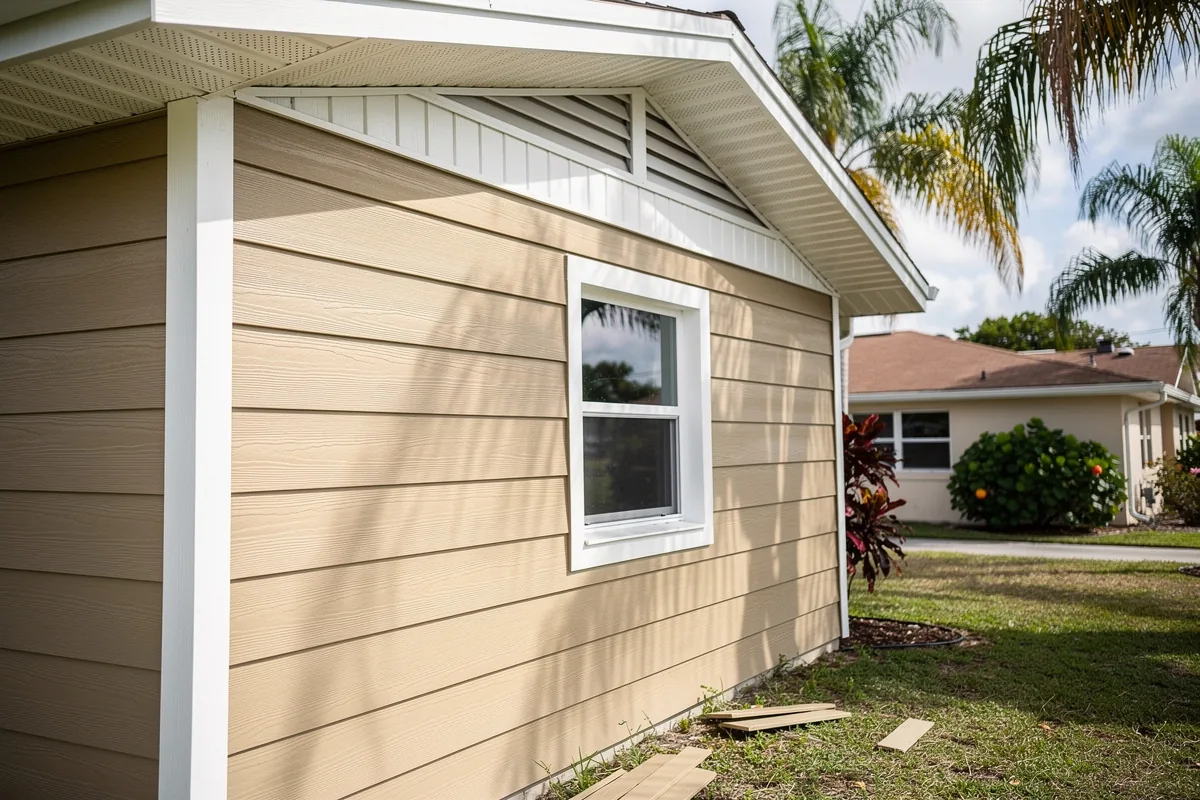
Finished fiber cement lap siding wall with white corner trim, window casing and vented soffit.
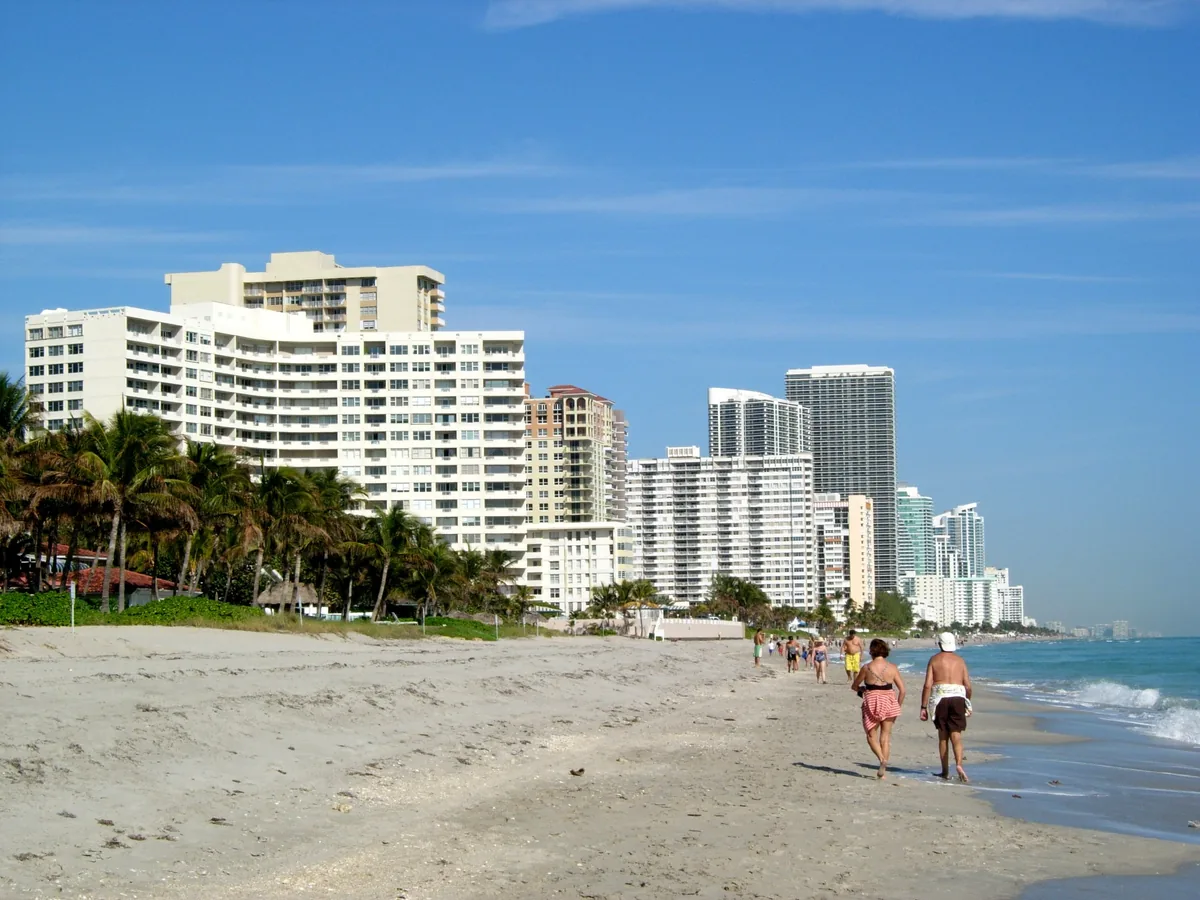
Hallandale Beach shoreline with people walking on the sand and high-rise condominium towers along the beach.

Service area

Within about 10 miles

We are a Hallandale Beach siding contractor, and we also work in the communities around the city, from Hollywood and Dania Beach to the north to North Miami, Miami Gardens and Miami Shores to the south and west.

All Service Areas

Questions

What homeowners ask first

What does a siding contractor in Hallandale Beach, FL actually do?

A siding contractor installs, replaces and repairs the outer cladding of a house, along with the water barrier, flashing and trim that go with it. In Hallandale Beach that work is mostly on frame additions, gable ends, upper storeys and older wood-sided homes, since many houses here are concrete block with stucco.

Can siding go on a concrete block house?

Yes, in many cases. Siding is fastened to furring strips over the block, with a water barrier behind it. Whether it suits your wall depends on the stucco's condition and the local code, so it is checked before anything is quoted.

Fiber cement or vinyl for a South Florida home?

Fiber cement costs more but resists heat, rot, termites and fire and holds paint well. Vinyl costs less and needs no painting. The right choice depends on budget, how exposed the wall is and the look you want.

Do I need a permit to replace siding?

Usually, yes. Broward and Miami-Dade are in the Florida Building Code's high-velocity hurricane zone, so cities generally expect a permit and an approved product for siding replacement. The exact rules are set by your city's building department.

How long does a siding job take?

It depends on the size of the wall, the material and what is found behind the old siding. A single gable or addition can take a few days, and a whole house takes longer. Summer storms can also pause exterior work for a day here and there.

Read every siding question and answer →

Talk to a siding contractor in Hallandale Beach, FL

Open every day from 7am to 10pm, and on call 24/7 for emergencies.