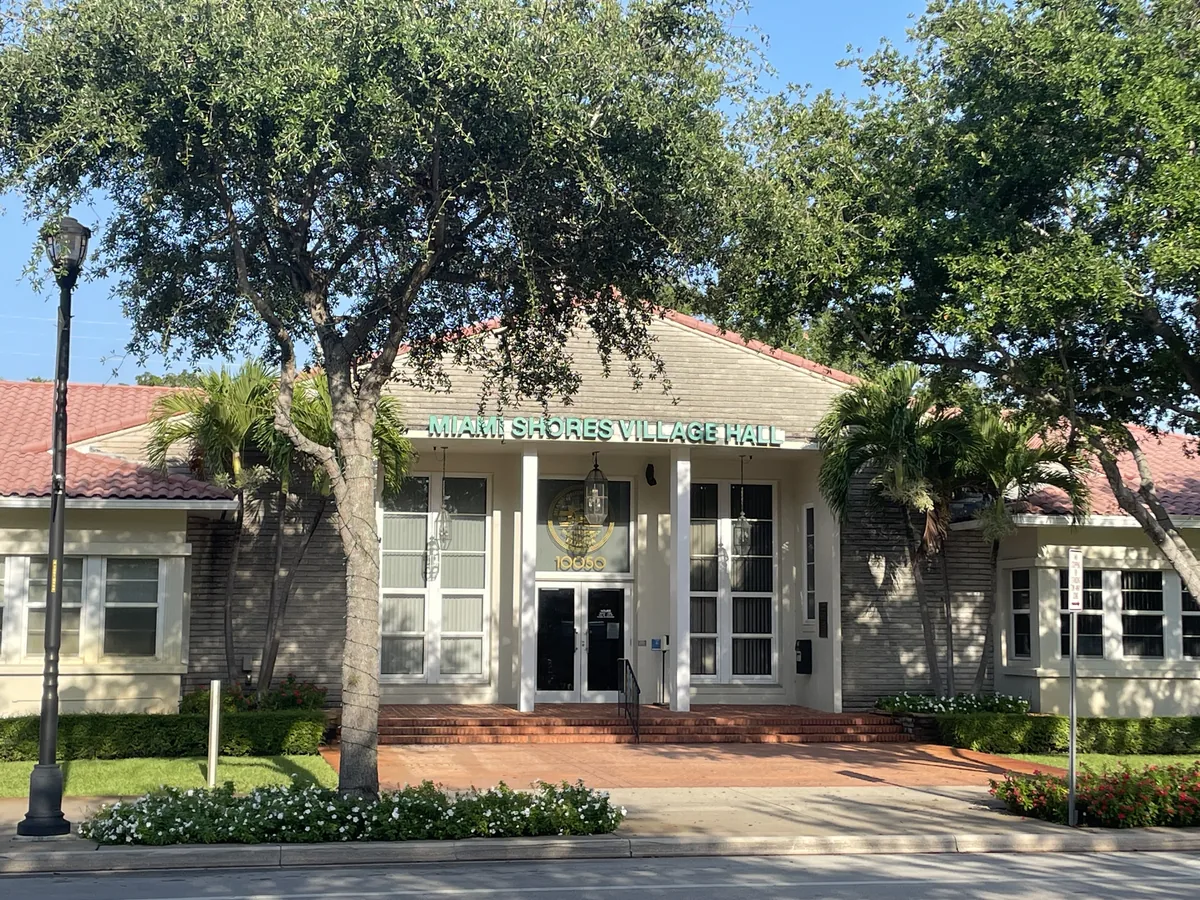
PrimeCrest Exteriors is a siding contractor in Miami Shores, repairing and replacing siding on later houses, additions and outbuildings while respecting the village's historic Mediterranean Revival character.
Miami Shores is known for its Mediterranean Revival homes, which are usually finished in stucco rather than siding. Siding work in the village is therefore more selective. It tends to involve houses built later in other styles, rear additions, enclosed porches, garages and accessory buildings, where frame walls were clad in wood, vinyl or fiber cement.
As a Miami Shores siding contractor, we repair and replace siding on those walls, install new cladding on additions, and fix the sheathing and flashing behind it. On an older property we pay close attention to where new work meets the original stucco, so the house keeps its look and that joint stays watertight.
Choose the closest match. Each result covers the usual cause on a property in the village and the sensible next step.
Where a frame addition meets an older stucco wall, the two materials move differently in heat and humidity, and the sealant between them eventually splits. Rain then runs straight into the joint. Next step: open the transition to check the flashing and sheathing, then rebuild it with proper flashing rather than another bead of caulk.
Homes on the east side of the village take in salty bay air, which corrodes plain steel nails, flashing and metal trim and leaves rust trails on the finish. Loose boards follow. Next step: check that the siding itself is still sound, then refasten or replace it using stainless or coastal-rated hardware and new flashing.
Detached garages and outbuildings usually get the least maintenance, so their siding fades, cracks or rots first. Because these buildings are simple shapes, re-siding one is a contained job. Next step: pick a material and colour that complement the main house, then replace the siding along with any rotted trim or sheathing.
Long, humid summers keep painted wood damp, and once the paint fails the boards decay from the edges inward. Next step: probe the soft spots to see how far the damage goes, then replace the decaying boards with fiber cement, which can be made to look like traditional wood lap siding without the rot.
Wind that lifts a loose corner can strip a run of siding in minutes and leave the sheathing open to rain. Next step: get the opening covered quickly, then replace the missing sections with a product approved for Miami-Dade's high-velocity hurricane zone, fastened as its approval requires, and check the neighbouring panels too.
Problems behind siding often show up indoors first, as a stain, a damp smell or paint lifting on an inside wall near a window or door. Next step: call and describe what you have seen, and the outside of the house can be checked in person to find where the water is getting in.
As a siding contractor in Miami Shores, we start by identifying which parts of a property are clad and which are stucco, then focus where it is needed. The work covers inspection, repair, partial replacement and new installation. Worth a call: cracked sealant at stucco transitions, rust stains near the bay, peeling wood boards and siding loose at corners.
An addition or enclosed porch on an older Miami Shores home should look deliberate, not tacked on. Installation covers the water-resistive barrier, flashing at windows and at the stucco transition, starter strip, siding and trim, with profiles and colours chosen to sit comfortably beside the original house. Getting the junction with the old wall right keeps the new room dry.
Fiber cement is often the best fit beside older architecture in Miami Shores because it can resemble wood lap, shingle or board-and-batten while resisting rot, termites and fire. It holds paint well in strong sun and humid air. Near Biscayne Bay, sealed cut edges and corrosion-resistant fasteners help it last. It costs more than vinyl but is built for the long term.
Vinyl is a practical, low-maintenance option in Miami Shores for garages, rear walls and later houses where a historic look matters less. In Miami-Dade it must be a product approved for the high-velocity hurricane zone, fastened so the panels can move as they heat up. Choose accessories and fasteners with salt in mind if the house is close to the bay.
Replacement makes sense when several walls are affected or decay has reached the sheathing. On a property in the village it is also a chance to correct earlier repairs that never suited the house. The work covers removal, repairs to sheathing and framing, a fresh weather barrier, flashing, and new siding and trim finished to match the home's character.
The weak spot a siding contractor in Miami Shores finds most often is the transition between materials. Where a frame addition, porch enclosure or upper room meets an original stucco wall, sealant cracks and flashing is often missing, so wind-driven rain gets into the framing. The damage stays hidden behind the siding until boards soften or a stain appears on an inside wall.
Salt and moisture do the rest. Houses near Biscayne Bay see corroded fasteners and trim, while walls shaded by trees stay damp long after a storm, inviting mildew, rot and termites. Painted wood siding on older garages and outbuildings is especially vulnerable once its finish starts to fail, and it often goes unnoticed because nobody looks at the back of the lot.
Bay air, summer storms and your siding
Miami Shores fronts Biscayne Bay on its east side, and homes near the water take in salty, humid bay air that corrodes fasteners and breaks down finishes faster than it does further inland. Across the rest of the village grid the full South Florida wet season applies. From roughly late May into October, near-daily thunderstorms and high humidity keep exterior walls wet.
Miami-Dade is one of the two counties covered by the Florida Building Code's High-Velocity Hurricane Zone provisions. That makes approved products, correct fastening and a continuous water barrier essential, and it puts extra weight on sealed joints and well-detailed trim, the first places water looks for a way in.
Historic homes and later houses
Miami Shores was laid out during the 1920s land boom after the Shoreland Company bought the land in 1924. Its directors required homes in the Mediterranean Revival style to suit the 'America's Mediterranean' theme, and the company built 118 of them. Today 25 are on the National Register of Historic Places, and Miami Shores Village itself was incorporated in 1932.
The 2020 census counted 3,905 housing units, from those historic homes to houses built in later decades. Exterior work here means respecting that character. Siding on a later house or an addition should complement the stucco and tile around it, and owners of historic properties should ask the village what review applies before changing an exterior.
How Much Do Siding Services Cost in Miami Shores?
Typical siding costs (national ranges)
What
National range
Whole-house siding project
$8,000–$30,000 per project
Installed siding, vinyl to fiber cement
$3–$14 per square foot
Removal and disposal of old siding
$1,000–$2,500 per project
Reliable siding prices are not published for Miami Shores alone, so the table gives national ranges. Jobs in the village are often smaller in area, a garage or an addition rather than a whole house, but the detailing where siding meets historic stucco takes extra care, and bayside homes may need stainless hardware. Material choice and any rot found behind old boards matter too. What a siding contractor in Miami Shores charges depends on those details and is set by an estimate after an inspection.
Why Choose PrimeCrest Exteriors Siding Contractor in Miami Shores?
Siding has been our focus since 2015. We come down from our base in Hallandale Beach, a straightforward drive south, and treat every property as its own case, especially where new work has to sit beside historic stucco. We inspect before quoting and explain what we find in plain language. We are open every day from 7am to 10pm and on call 24/7 for emergencies.
How Our Service Process Works in Miami Shores
01
Start the conversation
Call or use the form with your Miami Shores address, the walls involved and whether the home or addition is historic.
02
Property assessment
We look at the siding, trim and flashing, inspect any transition to stucco and test for rot, corrosion and termite damage.
03
Plan and price
You receive the proposed scope, material and profile options and the price, with notes on anything that could change once old siding is removed.
04
Careful installation
Once permits are in hand, damaged sheathing is repaired, barrier and flashing go in, the siding and trim go on and the site is left clean.
Our visits cover the whole village within the 33138 ZIP code. That includes homes close to Biscayne Bay on the east side, the streets around Barry University, properties near the Brockway Memorial Library and Northeast 2nd Avenue, and houses toward Biscayne Boulevard. Bayside homes get extra attention to salt-resistant fasteners and flashing, while houses further inland are planned around rain, humidity and shade. Older homes and their later additions are treated with care for the stucco around them, and outbuildings at the back of a lot are checked as closely as the front of the house. We drive down from Hallandale Beach for each visit, a straightforward trip south along the coast.
Areas We Serve Near Miami Shores
Just to the west, Pinewood borders the village, and a little to the north is North Miami. To the northwest we also work in Biscayne Gardens, and our home base is further up the coast in Hallandale Beach. The service areas page lists every community we cover.
We travel to Miami Shores from Hallandale Beach, a drive south down the coast. The map shows the area we serve.
Frequently Asked Questions About Our Services in Miami Shores
Can you work as my siding contractor in Miami Shores?
Yes. Miami Shores is within the area we cover from Hallandale Beach, and we install, repair and replace fiber cement and vinyl siding on homes, additions and outbuildings across the village.
Can siding go on a historic Miami Shores home?
Usually only on the parts that were frame to begin with, such as additions or outbuildings. Covering original stucco on a historic Mediterranean Revival house would change its character, so ask the village what review applies before planning any exterior change.
How is new siding joined to an existing stucco wall?
With flashing and a deliberate transition, not just caulk. The water barrier behind the siding laps over the flashing at the junction, and trim covers the joint so water drains outward rather than into the wall.
Which siding material looks most like original wood?
Fiber cement comes closest. It is made in lap, shingle and board-and-batten profiles with wood-grain or smooth finishes, takes paint well and does not rot, which suits it to older architecture.
Does living near Biscayne Bay change what siding I should choose?
It changes the hardware more than the siding. Salt air corrodes plain steel, so stainless or coastal-rated fasteners and corrosion-resistant flashing are worth specifying whichever siding you choose.
How do I reach you?
Call (786) 833-8892 any day from 7am to 10pm, or send the request form with your address and what you are seeing. For storm damage we are on call 24/7.
Schedule Siding Contractor Services in Miami Shores
PrimeCrest Exteriors Siding Contractor is ready to look at your walls. Book your siding contractor visit in Miami Shores any day from 7am to 10pm.