PrimeCrest Exteriors is the siding contractor in Opa-locka to call when frame walls, additions and enclosures have started to rot, crack or leak, from Magnolia Gardens to the streets around Ingram Park.
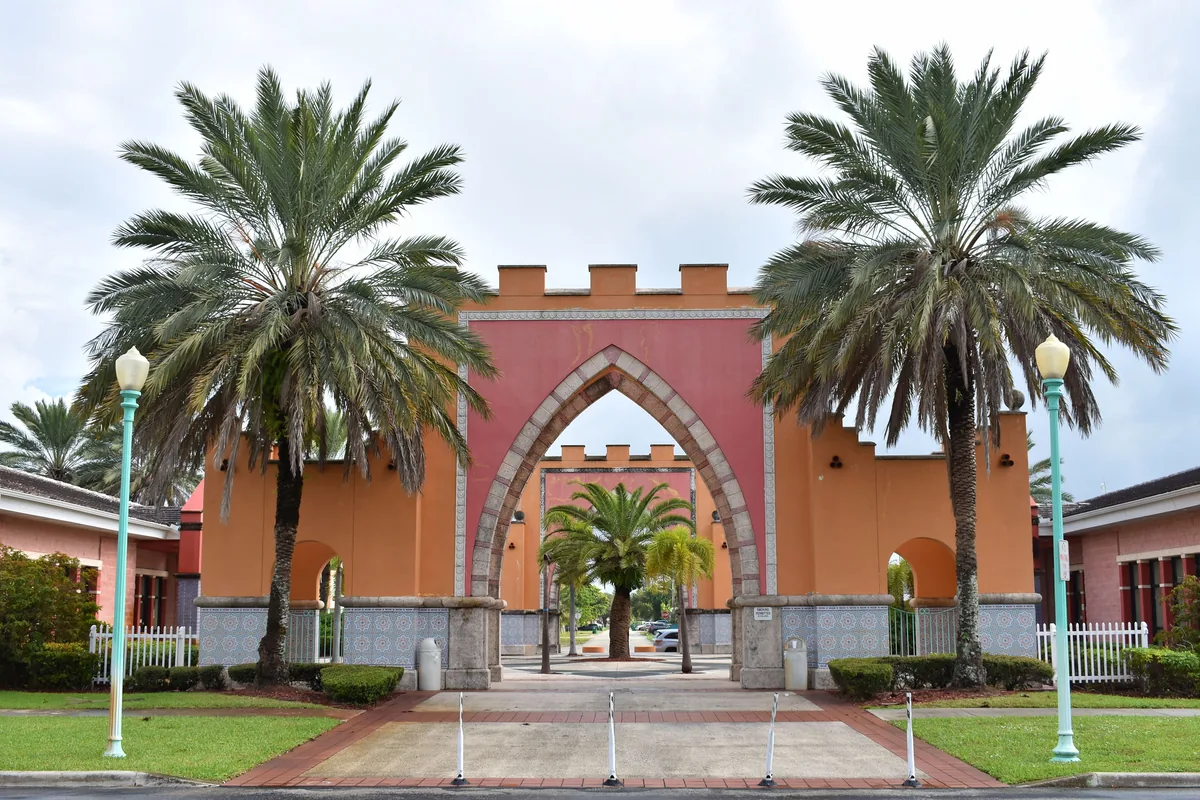
Opa-locka is best known for its domes, arches and minarets, but most of the city is ordinary homes where families live and work. Behind the stucco fronts, plenty of those houses have frame sections: a back bedroom, a closed-in carport, a raised gable or an upper room added later. Those are the walls where siding does the job of keeping weather out.
Working as a siding contractor across Opa-locka, we replace rotted and termite-damaged boards, install siding on new additions, move owners from worn wood or vinyl to fiber cement, and repair the flashing and trim that stop water getting in. We also look at the sheathing behind, since that is where the real damage tends to hide.
Select the closest match. The answer gives the most likely cause and the step we would recommend first.
The seam between a frame addition and the original block or stucco wall is a classic weak point. If the flashing there was skipped or has failed, every afternoon storm drives rain into the gap. Next step: open the joint, install proper flashing and a water barrier, and re-side the addition wall so it sheds water away from the seam.
Wood that breaks apart under your thumb has usually been eaten by termites or rotted from the inside. The paint can hide it until the board gives way. Next step: remove the damaged pieces, check how far it reaches into the framing, and replace them with fiber cement, which termites do not eat and moisture does not rot.
Inland heat and strong sun break vinyl down over the years. It loses colour, turns powdery and gets brittle, and brittle panels split or let go in high wind. Next step: test a few panels for flexibility, then decide whether a fresh vinyl wall approved for hurricane wind or a switch to fiber cement fits your budget.
A stain that grows after storms means water is reaching the inside face of the wall, and by then the sheathing and insulation behind the siding are usually wet. Next step: trace it from outside, starting above the stain at windows and roof edges, and replace the siding and soft sheathing over the affected area.
A house that has been repaired a piece at a time often ends up with three or four kinds of siding and no consistent water barrier behind them. Each patch leaks in its own way. Next step: price a single replacement of the patched walls so the whole side of the house is sealed and finished as one.
That is fine. Siding trouble often shows up first as peeling paint inside, a soft floor near an outside wall or a smell after rain. Note which room it is in and when you notice it. Next step: tell us those details when you call, and the inspection will start in that spot.
On many houses here the stucco is sound and only the frame parts are failing, so the job is to find exactly which walls need work. That means checking boards, trim and flashing, then deciding between a repair, a replacement or a material change. Common warning signs include rot along window sills, gaps at outside corners and paint that blisters within a season.
When an Opa-locka carport becomes a bedroom or a room goes up over the garage, the new walls need to be wrapped, flashed and sided so they keep out the summer rain. Matching the profile and colour to the house matters on a street with as much character as these. Leaks at the old joint are the sign an earlier addition was rushed.
Away from the coast, in places like Opa-locka, heat, humidity and termites are the main enemies of siding, and fiber cement resists all three. It keeps its shape, does not rot and holds a factory finish in strong sun. It also comes in smooth and textured profiles that sit comfortably next to stucco. It costs more than vinyl but tends to outlast it.
Vinyl is the least expensive way to re-side a frame wall and never needs painting. In Miami-Dade it has to be a product approved for the High Velocity Hurricane Zone, fastened so each panel can slide as it heats up. Panels that look chalky, wavy or cracked around the nail holes are telling you their time is up.
Replacement is the right call once rot, termites or years of patching have left a wall without a sound weather barrier. We strip the old siding, repair framing and sheathing, wrap and flash the wall, and finish with new siding and trim. On an Opa-locka house that has been patched many times, it often solves several leaks in one job.
Being inland, Opa-locka homes see little of the salt damage that coastal towns fight. What they get instead is relentless heat and wet-season rain. Wood siding and trim dry out, crack, take on water and rot, and termites move into the softened wood. Vinyl fades and turns brittle on the sunniest walls. The most common leak we see is at the seam where a frame addition was joined to the original masonry house.
Years of piecemeal repairs add their own problems. A wall patched with a few different materials rarely has one continuous water barrier behind it, so each patch line becomes a place for water to get in. After a big storm, check for lifted panels, loose trim and soffit pieces hanging down, and close up any opening before the next rain.
How Opa-locka's weather affects siding
Sitting inland in northern Miami-Dade, Opa-locka gets more heat and humidity than sea spray. From roughly late May into October, afternoon thunderstorms arrive almost daily and drop heavy rain on walls that are already warm and damp. That steady moisture works its way into cracked trim, failed caulk and older cladding, and once it is in, it has little chance to dry before the next storm.
Miami-Dade County falls under the Florida Building Code's High-Velocity Hurricane Zone provisions, which apply stricter wind requirements to exterior wall coverings. For siding that means approved products, correct fastening, and flashing and sealant joints built to handle rain blown in sideways.
Opa-locka homes and their siding
Glenn Curtiss founded Opa-locka as a planned real estate development, and it was chartered in 1926 with an Arabian Nights theme drawn up by the architect Bernhardt E. Muller. Somewhere between 86 and 105 buildings went up in the Moorish Revival style, twenty of them are now on the National Register of Historic Places, and the City of Opa-locka runs its own historic preservation program and board.
The 2020 census counted 6,210 housing units, so most of the work here is on everyday homes in neighbourhoods such as Magnolia Gardens rather than on landmarks. Still, if your house is a historically significant building, changes to its exterior may need the preservation board's input before any siding is chosen, so that is worth checking early.
How Much Do Siding Services Cost in Opa-locka?
Typical siding costs (national ranges)
What
National range
Whole-house siding project
$8,000–$30,000 per project
Installed siding, vinyl to fiber cement
$3–$14 per square foot
Removal and disposal of old siding
$1,000–$2,500 per project
We could not find reliable published siding prices for Opa-locka itself, so the table lists national ranges. The area of wall involved, the material, the removal of old siding and any rotted framing or sheathing behind it account for most of the difference between jobs. The final price for siding contractor work in Opa-locka depends on those conditions and is set by an estimate after an inspection.
Why Choose PrimeCrest Exteriors Siding Contractor in Opa-locka?
We are based in Hallandale Beach, to the northeast near the Broward line, and siding has been our only trade since 2015. Every job starts with a proper look at what is behind the old boards, a clear explanation of what we found and a quote you can read before work begins. We are open 7am to 10pm every day and on call 24/7 for emergencies.
How Our Service Process Works in Opa-locka
01
Get in touch
Call or use the online form. Tell us the address, which part of the house is affected and whether it is an addition, an enclosure or an original wall.
02
Assessment
We inspect the siding, trim and flashing, probe for rot and termite damage and remove a board where needed to see the sheathing.
03
Proposal
You get the scope, the material options and the price in writing, along with anything that could change once the wall is open.
04
Completion
With the city permit in hand, we repair the structure, install the barrier, flashing, siding and trim, then haul away the debris.
We work as a siding contractor across Opa-locka, including the homes of Magnolia Gardens and Magnolia North. You might live near City Hall, off Sharazad Boulevard, close to Ingram Park on Lake Ingram, or a few streets from the Sherbondy Recreation Center, and the planning is the same. The executive airport is a landmark most residents know, and the 33054 ZIP code covers the neighbourhoods we serve here. Because these streets are inland, the walls we see deal mostly with heat, humidity and storm rain rather than salt air. Just to the north is Miami Gardens, and we travel down from Hallandale Beach to the northeast.
Areas We Serve Near Opa-locka
Several of the communities we serve surround the city. Miami Gardens lies directly to the north, and Biscayne Gardens is to the east. Heading southeast, Pinewood and then North Miami are both a short drive. Our base is described on the Hallandale Beach page.
We travel to Opa-locka from Hallandale Beach, heading southwest to reach the city. The map is of the city itself and shows where we work, not a local office.
Frequently Asked Questions About Our Services in Opa-locka
Is PrimeCrest a siding contractor in Opa-locka?
Yes. We serve Opa-locka from our base in Hallandale Beach, with siding installation, fiber cement, vinyl and replacement for homes throughout the city.
Does my Opa-locka house need a permit for new siding?
In most cases, yes. The city has its own building department, and Miami-Dade County's high-velocity hurricane zone rules mean the siding must be an approved product, installed to that approval.
My home is one of the historic Moorish Revival buildings. Can it get siding?
Possibly, but check with the city's historic preservation board first. Exterior changes to a historically significant building may need their review, and the right answer could be repair rather than new cladding.
Which lasts longer here, vinyl or fiber cement?
Fiber cement usually does. Opa-locka's heat, humidity and termites are hard on wood and on older vinyl, while fiber cement does not rot, warp or feed termites.
Can you side a carport we are turning into a room?
Yes. The new walls get a water barrier, flashing at the window and door openings and siding that is tied into the existing house so the joint stays dry.
How do I arrange an inspection?
Ring (786) 833-8892 any day between 7am and 10pm, or send the contact form with your address. For storm damage that cannot wait, we are on call 24/7.
Schedule Siding Contractor Services in Opa-locka
Book PrimeCrest Exteriors Siding Contractor, your siding contractor for Opa-locka homes, any day from 7am to 10pm, with 24/7 help for emergencies.