Insulated siding is usually sold as an energy upgrade, and in colder parts of the country that is its main selling point. In South Florida the question is different. The air conditioner runs most of the year, and heat pours in from the sun, the roof and the windows. Foam-backed siding can help a wall, but it is one small part of how a house stays cool, and it is worth knowing which part before paying extra for it.
What insulated siding actually is
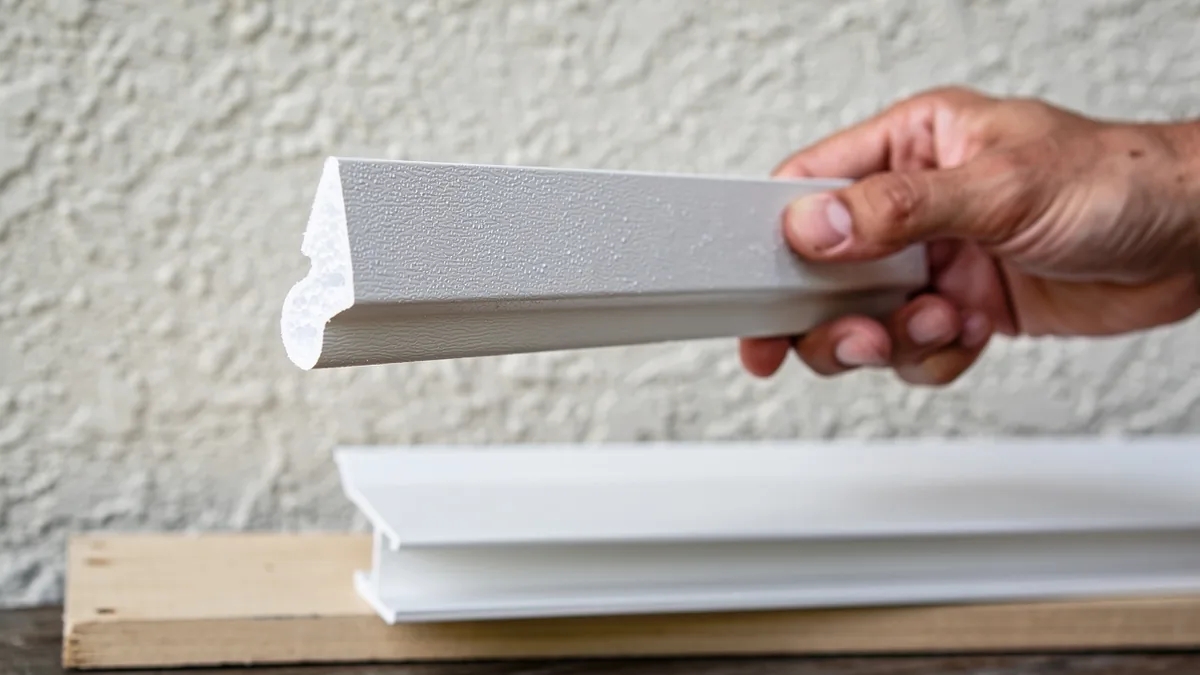
Insulated siding is vinyl siding with a layer of rigid foam shaped to fit tightly behind each panel. The U.S. Department of Energy's Building America Solution Center describes it as vinyl with rigid foam attached, most commonly expanded polystyrene, and notes that it reduces thermal bridging and provides continuous insulation where it properly covers the walls.
That last phrase is the important one. Insulation inside a framed wall sits between the studs, and every stud is a path for heat to move through. A continuous layer outside the studs covers those paths, so the wall as a whole performs a little better than its cavity insulation alone would suggest.
What it adds to the wall
The foam layer adds some insulating value across the whole face of the wall, and each product's figure comes from its own testing, so ask for the tested number rather than a general claim. It also makes the panel stiffer and flatter on the wall. Insulated panels tend to look straighter, resist dents from the occasional ball or ladder better than thin vinyl, and feel more solid when you press on them.
Some owners choose it for those reasons alone. A straight, solid-looking wall is a fair thing to want, and it has nothing to do with the electric bill.
Where your cooling load really comes from
In a hot climate, the walls are rarely the biggest problem. On a single-story house, the roof and attic take the full force of the sun for most of the day, and heat radiates down through the ceiling into every room. Windows let sunlight straight in, especially on east and west walls. Air leaks around doors, attic hatches and ductwork pull warm, humid outdoor air inside, and leaky ducts running through a hot attic can waste a large share of what the air conditioner produces.
Fixing those usually does far more for comfort and cost than anything you put on the outside of a wall. Attic insulation, sealing air leaks and ducts, shading or upgrading west-facing windows and choosing a light roof color are the places to look first.
Where walls do matter
Walls still gain heat, and the sunniest ones gain the most. A west wall baking all afternoon pushes heat into the rooms behind it well into the evening. Light siding colors reflect more sunlight than dark ones, shade from trees or awnings cuts the load, and a continuous insulation layer slows the heat that does get in. Insulated siding fits into that picture as a modest help on framed walls, not a fix for a hot house. If one room is always warmer than the rest, look at its windows, its ceiling and the duct that feeds it before blaming the wall.
Moisture and the wall behind
In a humid climate, anything added to a wall has to let that wall shed water. Insulated siding products are designed with drainage in mind, but they still need a proper water-resistive barrier and flashing behind them, exactly like standard siding. Foam is not a water barrier, and it should never be treated as one. The siding also has to be approved for this area's wind requirements, like any other product installed here.
When it is worth the extra cost
Insulated siding makes the most sense when you are already replacing siding on a framed house, you have dealt with the attic and air leaks, and you want both a more solid-looking panel and a small gain in wall performance. It makes less sense as a standalone energy project, or on a house where the roof, windows and ducts have not been looked at.
Insulated panels cost more than standard vinyl in the same profile, and the gap varies by product. The fairest way to judge it is to ask for written prices on both options for your own walls, then weigh the difference against what that same money would do in the attic, on the windows or in the ductwork.
Questions to ask before choosing it
- What tested insulating value does this exact product have?
- Is it approved for use in Miami-Dade and Broward wind conditions?
- What water-resistive barrier and flashing go behind it?
- How does the price compare with standard vinyl in the same profile?
- Would the same money do more in the attic or on the windows?
Siding choices in Opa-locka
Homes in Opa-locka face the same long cooling season as the rest of the coast, and the honest answer for most of them is that siding is a durability and appearance decision first. Our siding contractor page for Opa-locka covers service in the area, and the vinyl siding installation page explains vinyl siding choices and how the work is done.