
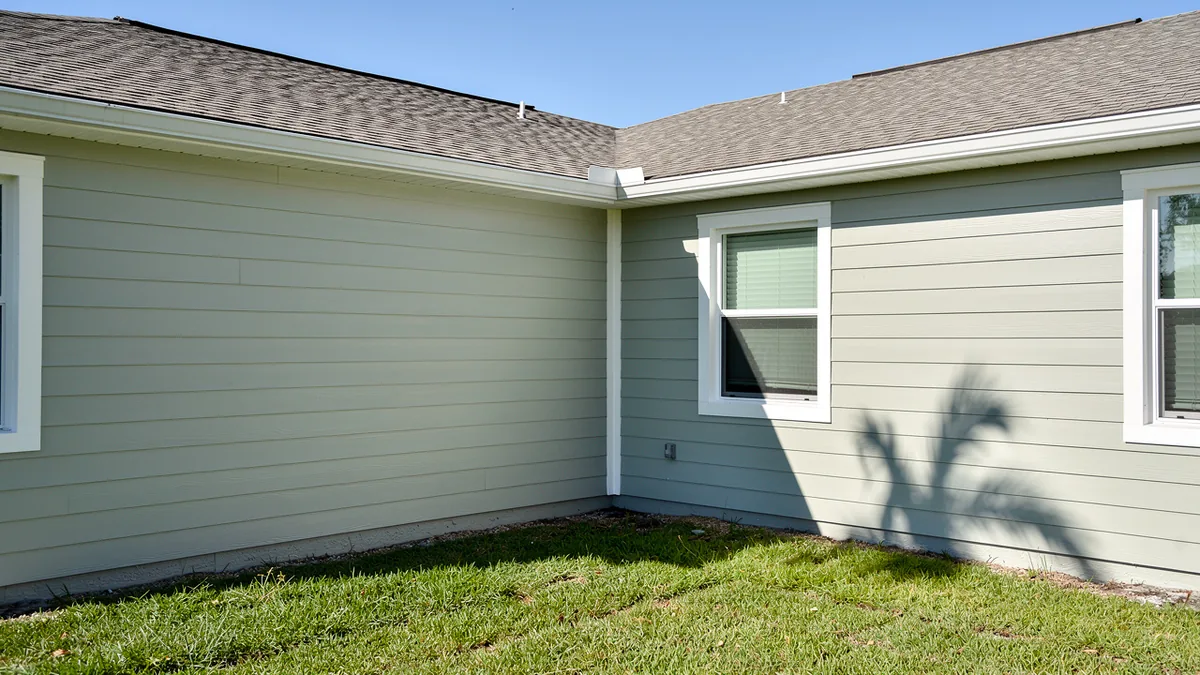
An addition should look as if it was always part of the house. The siding is what makes or breaks that. A new room clad in boards that are almost, but not quite, the same as the old ones draws the eye straight to the seam. Getting it right means matching more than color, and sometimes it means choosing not to match at all.
Start with what is already on the house
Before anyone orders material, the existing siding needs to be identified as precisely as possible. That means the material, the manufacturer if it can be traced, the profile and the exposure, which is the visible height of each board. A spare piece left in the garage or a board removed from a hidden spot is worth more than any photo, because it can be measured and held against samples.
Pay attention to the texture too. Smooth boards and wood-grain boards in the same color look completely different in low morning light, and that mismatch shows up long before a color difference does.
Profile and exposure come before color
Lap siding with a slightly different reveal will never line up with the old courses, and the eye catches it at once. The same goes for Dutch lap against straight lap, or a beaded edge against a plain one. If the original profile is still made, use it. If it is not, look for the closest exposure first and accept a small color difference, which is easier to live with than courses that step up and down at the joint.
Why the color rarely matches exactly
Siding that has been in the sun for ten years is not the color it was on the day it went up. Vinyl fades, and painted fiber cement or wood dulls and chalks. A new panel in the original color name will often look brighter and cleaner than the wall beside it.
With painted siding the fix is simple: paint the old and new walls together so they finish the same. With vinyl, you can test a sample against the weathered wall outdoors, in shade and in sun, and choose by eye rather than by the name on the box.
Where the old and new siding meet
The best place for a transition is somewhere the eye expects a break. An inside corner, a vertical trim board or a change in roof line all hide a joint well. A seam running across the middle of a flat wall almost always shows.
Behind the siding, the junction needs as much care as the face. The new wall should finish flush with the old one, which sometimes means shimming the framing. The water barrier on the addition has to lap correctly into the existing one, and where a new roof meets an old wall, step flashing and a kick-out flashing keep water from running behind the siding.
Garage and porch conversions
Converting a garage or enclosing a porch leaves a patch of new wall where an opening used to be. It is a small area on a wall that everyone sees, so the match matters even more. The framing in the old opening has to sit in the same plane as the surrounding wall, and the trim around any new window should copy the trim used elsewhere on the house, down to its width.
When a contrast looks better than a near-miss
Sometimes the original siding simply cannot be found. Rather than settle for something close, many owners pick a deliberate change for the addition. Board and batten, shingle-style panels or a different color in the same family can make the new room read as a design choice. It works best when the trim, soffit and fascia stay consistent across both parts of the house, so the whole thing still feels like one building.
Re-siding the whole wall, or the whole house
If the existing siding is old, faded and discontinued, the cleanest result can be new siding on the full elevation that includes the addition, or on the entire house. It costs more up front, but it removes the matching problem completely and resets the clock on every wall at once. It is worth pricing both ways before deciding.
Questions to settle before work starts
A short conversation up front prevents most matching disappointments. Go through these with whoever is quoting the job, and get the answers in writing.
- Which exact product and profile will be used on the addition, and how close is it to the original?
- Where will the new siding meet the old, and what trim will cover the joint?
- Will the existing walls be repainted, cleaned or left as they are?
- How will the water barrier and flashing tie into the existing wall?
- Will gutters, soffits and fascia on the addition match the rest of the house?
Permits and planning in Ojus
Additions and conversions normally need building permits and inspections, and the siding is part of that work. Ojus is a census-designated community in Miami-Dade County rather than a city of its own, so check with Miami-Dade County which office reviews permits for your address before work begins. Our siding contractor page for Ojus covers local details, and the siding installation page explains how a new installation runs from start to finish.